Empty Shelves, Full Plan: Navigating an Augmentin Backorder in 2026

Photo: pharmacist checking inventory on computer in pharmacy with empty shelf, patient advocacy, via www.shutterstock.com
A prescription for Augmentin or its generic, amoxicillin/clavulanate, is usually a straightforward errand. When the pharmacist says the product is backordered, however, the errand becomes a negotiation involving timing, supply, insurance, and clinical judgment. In 2026, US patients still encounter periodic pharmacy shortages of commonly used medicines, and the response should be organized rather than alarmed.
This article is general education for patients and caregivers. It is not a substitute for instructions from a pharmacist or prescriber.
A Backorder Is Not Always a Recall
Patients often hear the word shortage and assume the medicine has been withdrawn for safety reasons. That is not what a backorder usually means. A backorder indicates that a pharmacy cannot currently obtain the product from its supplier. The cause may be manufacturing capacity, distribution timing, packaging changes, or demand exceeding supply. A recall is a separate regulatory action with its own safety notice.
Ask the pharmacist to clarify what they mean: Is the product unavailable at this store only? Is it unavailable from the wholesaler? Is a generic equivalent expected soon? Is a different formulation in stock? The answers shape the next step.
Start With Your Own Pharmacy
Before calling every pharmacy in town, speak with the pharmacist who has your prescription. Ask whether the same pharmacy can order the product, whether another nearby branch of the same chain has stock, and whether the prescription can be transferred internally. Ask about the expected restock date, but treat that date as an estimate rather than a guarantee.
If you call other pharmacies, keep the conversation specific and calm. Say that you have a prescription for amoxicillin/clavulanate and ask whether the pharmacy has the prescribed strength and formulation in stock or can order it. Avoid asking whether they have any Augmentin, because brand and generic availability may differ. Have the prescription number, dose, and quantity ready. Do not ask a pharmacist to promise a hold unless the pharmacy's policy allows it.
Ask About Formulations, Not Just Brands
Augmentin comes in several forms, including tablets, chewable tablets, and oral suspension. The generic equivalents may be available when a specific brand is not. A different strength may also exist, but changing the strength or formulation usually requires the prescriber's authorization. Do not split, crush, or substitute strengths on your own.
Ask the pharmacist whether an equivalent generic product is in stock. If the prescribed formulation is unavailable, ask what alternatives would be clinically appropriate and whether the prescriber must be contacted. For example, a liquid formulation may not be interchangeable with a tablet for every patient, and extended-release products have specific instructions.
Bring the Prescriber and Insurer Into the Loop
If the wait is more than a day or two, call the prescriber's office. Explain the shortage, the pharmacy, and the expected delay. The prescriber may authorize a different pharmacy, a different formulation, or an alternative antibiotic if appropriate. Do not make that decision independently.
Insurance adds another layer. A different formulation or brand may require prior authorization or a formulary review. Ask the pharmacy to run the claim before you travel to another store. If the alternative is not covered, ask about the appeals process and whether a generic equivalent is covered. Patient assistance programs and manufacturer coupons may help in some cases, but they are not a substitute for clinical guidance.
What Not to Do: Leftovers, Rationing, and Sharing
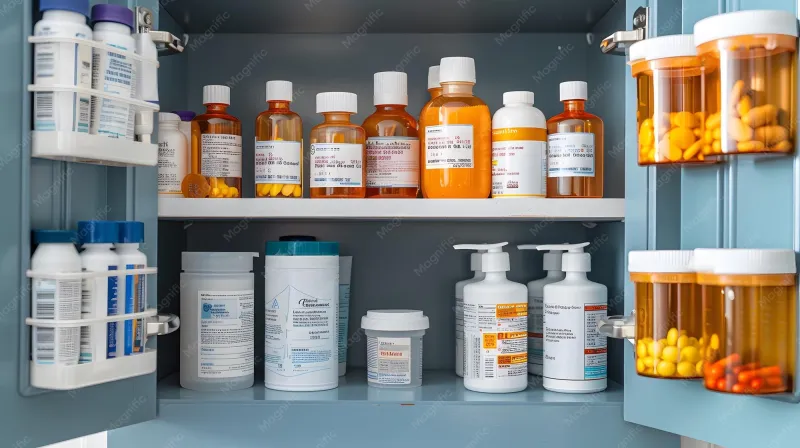
When a medicine is hard to find, the medicine cabinet can look tempting. Do not use leftover antibiotics from a previous prescription. Do not share antibiotics with a family member. Do not ration a current course by taking half doses or skipping days to stretch the supply. Do not use expired medicine as a stopgap. These workarounds can lead to inadequate treatment, unexpected side effects, and worsening infection.
It is also unsafe to substitute a different antibiotic without the prescriber's knowledge. Antibiotics are selected for the infection, the patient, and the likely bacteria. A medicine that worked for a sinus infection last year may not be appropriate now.
If the Wait Is Real
Ask the prescriber whether it is safe to wait for the backordered product or whether treatment should start with an available alternative. If symptoms worsen while waiting, seek medical care promptly. Do not simply abandon the prescription without telling the prescriber.
Keep a written record of who you spoke with, the date, the pharmacy, and the expected timing. If the shortage continues, this record helps the prescriber's office and the insurer resolve the problem.
A 2026 Perspective
Medicine shortages are a supply-chain reality, not a personal failure. The safest patient response is persistent but measured: clarify the shortage, ask about generic and formulation options, involve the prescriber and insurer, and refuse risky workarounds. A backorder may delay treatment, but it should not push a patient into self-prescribing.
The goal is not to find Augmentin at any cost. The goal is to get the right treatment safely, with the pharmacist and prescriber making the clinical decisions together with the patient.