The Medicine Cabinet Audit: A Season-by-Season Checklist for Antibiotic Safety at Home
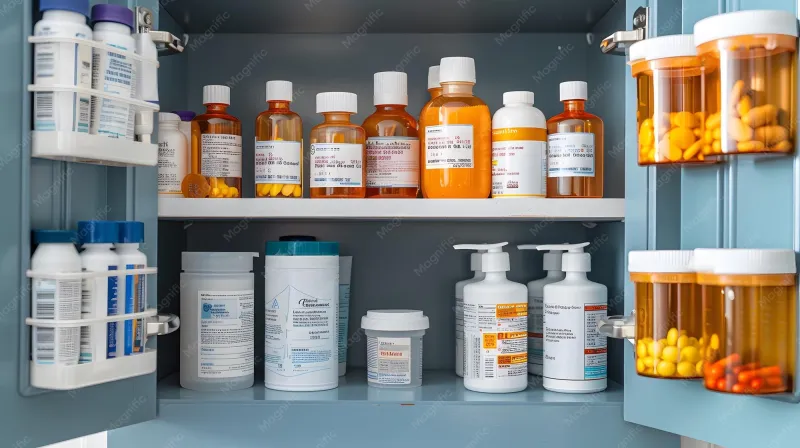
Photo: organized medicine cabinet with prescription bottles overhead view, via img.freepik.com
If your bathroom cabinet resembles a small pharmacy — a blister pack of amoxicillin from 2019, a bottle of cough syrup of uncertain vintage, an unmarked baggie of pills — you are far from alone. Surveys consistently find that a majority of American households keep leftover prescription medication, and antibiotics are among the most commonly hoarded drugs. Twice a year, when you change the smoke detector batteries or rotate the winter coats, it is worth giving that shelf a serious look.
Why Leftover Antibiotics Should Not Exist
Here is the uncomfortable truth: if you have leftover Augmentin, something went wrong somewhere. Either the prescription was too large, the infection turned out not to be bacterial, or — most troubling of all — the course was stopped early.
Saving "the rest for next time" is a habit worth breaking for three reasons.
First, a partial course may not fully clear an infection, allowing the hardiest bacteria to survive and potentially return stronger. Second, self-diagnosing a future sore throat or earache and treating it with an old prescription can mask a condition that needed entirely different care. Third, amoxicillin-clavulanate degrades over time, particularly in humid bathrooms, meaning those saved tablets may be both ineffective and unpredictable.
What to Toss — and How
Flushing medication down the toilet or tossing it loose in the trash once seemed harmless. We now know better: trace antibiotics have been detected in American waterways, and trash-bound pills can be retrieved by children or pets.
Your better options:
- Pharmacy take-back programs. Chains such as Walgreens, CVS, and many independent pharmacies maintain drug disposal kiosks. Call ahead or check the store locator on their websites.
- DEA National Prescription Drug Take Back Days. Held each April and October at sites nationwide, these events accept most prescription medications, no questions asked.
- Home disposal, done right. If no take-back option is nearby, the FDA advises mixing pills with something unappealing — used coffee grounds or cat litter — sealing the mixture in a bag, and placing it in household trash. Remove or black out personal information on the label first.
What to Keep — and How to Store It
A few items earn their shelf space. Keep an up-to-date list of your current medications and allergies. Keep your pharmacist's contact information. Keep any current, active prescription in its original container with the label intact.
Storage matters more than most patients realize. Amoxicillin-clavulanate is particularly sensitive: the liquid suspension for children must typically be refrigerated and discarded after ten days, even if the bottle is not empty. Tablets should stay in a cool, dry place — which usually means not the bathroom, despite the name "medicine cabinet." A bedroom drawer or kitchen cabinet away from the stove is often better.
What Never to Mix: The Interaction Checklist
When you do take a prescribed course of Augmentin, a few common household items deserve a second look:
- Allopurinol, taken for gout, may raise the risk of rash when combined with amoxicillin.
- Warfarin and other blood thinners can interact, occasionally affecting clotting times.
- Methotrexate levels may rise when taken alongside amoxicillin-clavulanate, increasing side effect risk.
- Probenecid slows the body's clearance of amoxicillin, altering drug levels.
- Oral contraceptives are largely considered safe with Augmentin, but discuss any concerns with your pharmacist — the old blanket warning applies more to rifampin and certain acne antibiotics.
Supplements deserve honest disclosure, too. High-dose vitamin C, echinacea, and other popular remedies have limited evidence of serious harm, but your pharmacist can only flag genuine interactions if they know everything you take. Bring the whole cabinet — or a photo of it — to your next pharmacy visit.
The Sixty-Second Audit
Pin this list for your next seasonal sweep:
- Pull out every prescription bottle and check the expiration date.
- Set aside anything unfinished or expired for a take-back kiosk.
- Verify that liquid antibiotics from past prescriptions are gone — they expire fastest.
- Confirm current medications are stored cool, dry, and in original containers.
- Update your written medication and allergy list.
- Ask yourself whether any pill bottle belongs to a person no longer in the household, and dispose of it accordingly.
A tidy cabinet will not prevent infection, but it removes two hazards at once: the temptation to self-treat with stale leftovers and the risk that an old bottle ends up in the wrong hands. That is a small project with an outsized payoff.